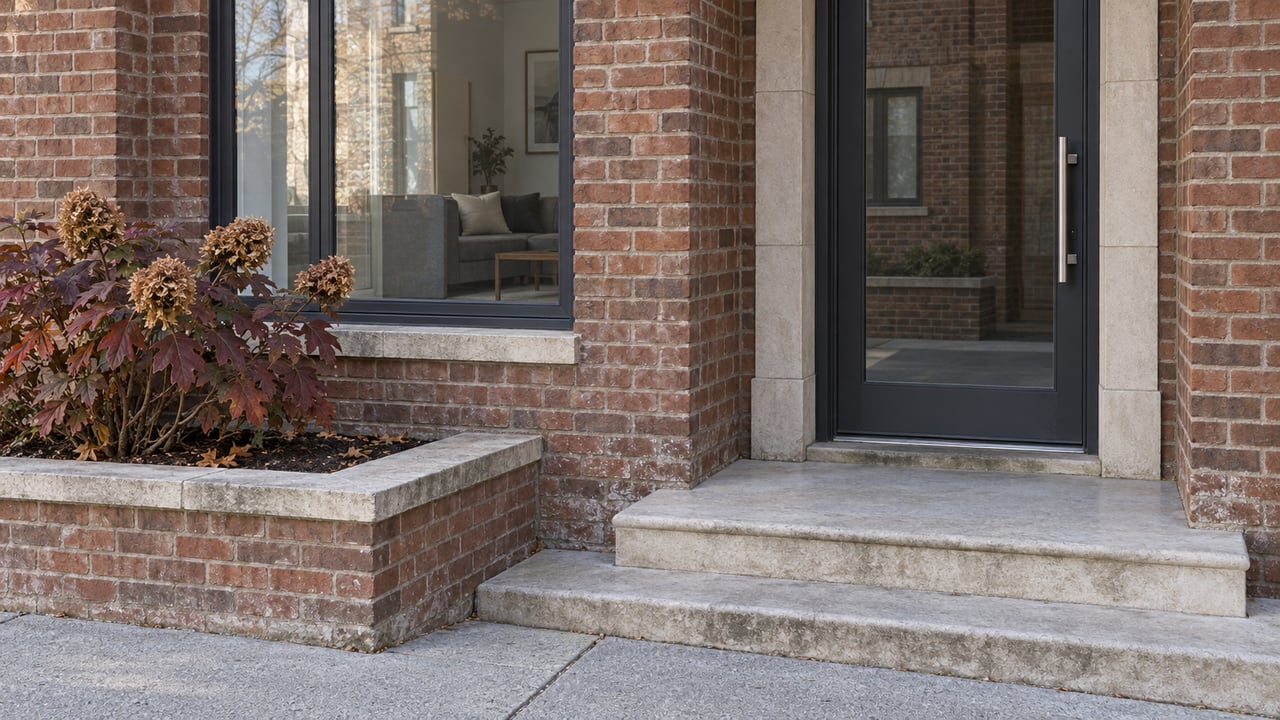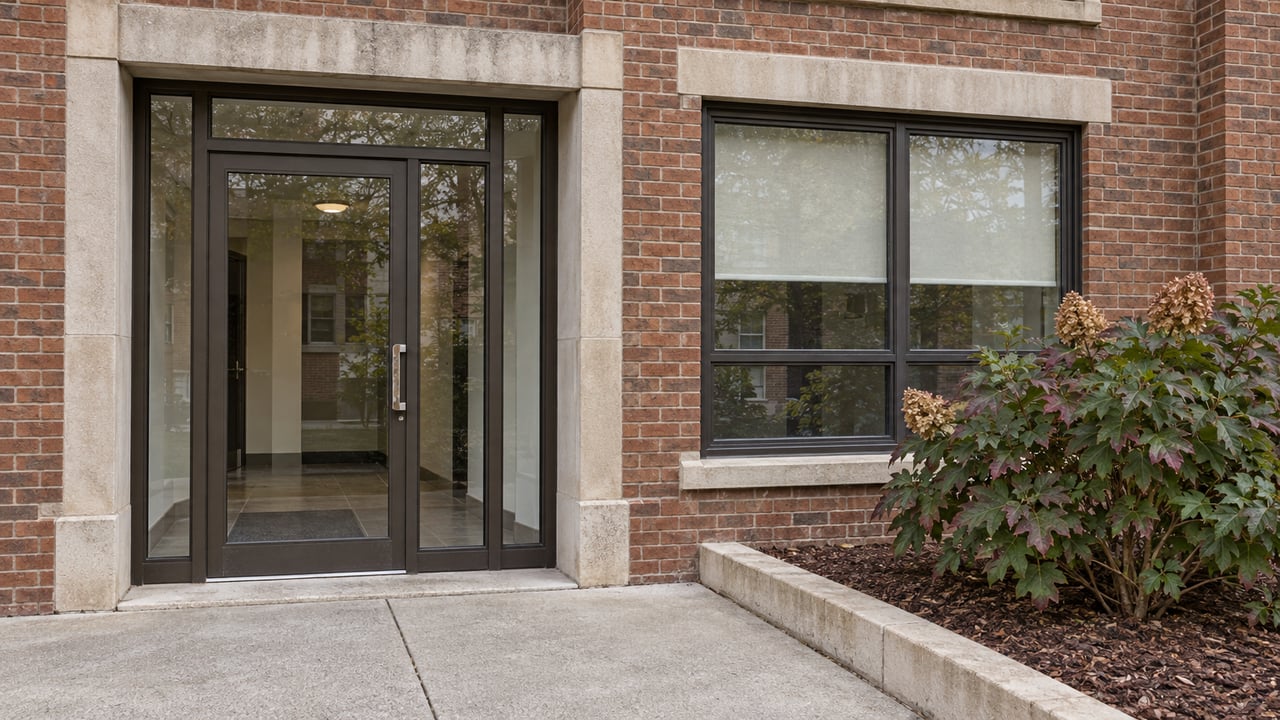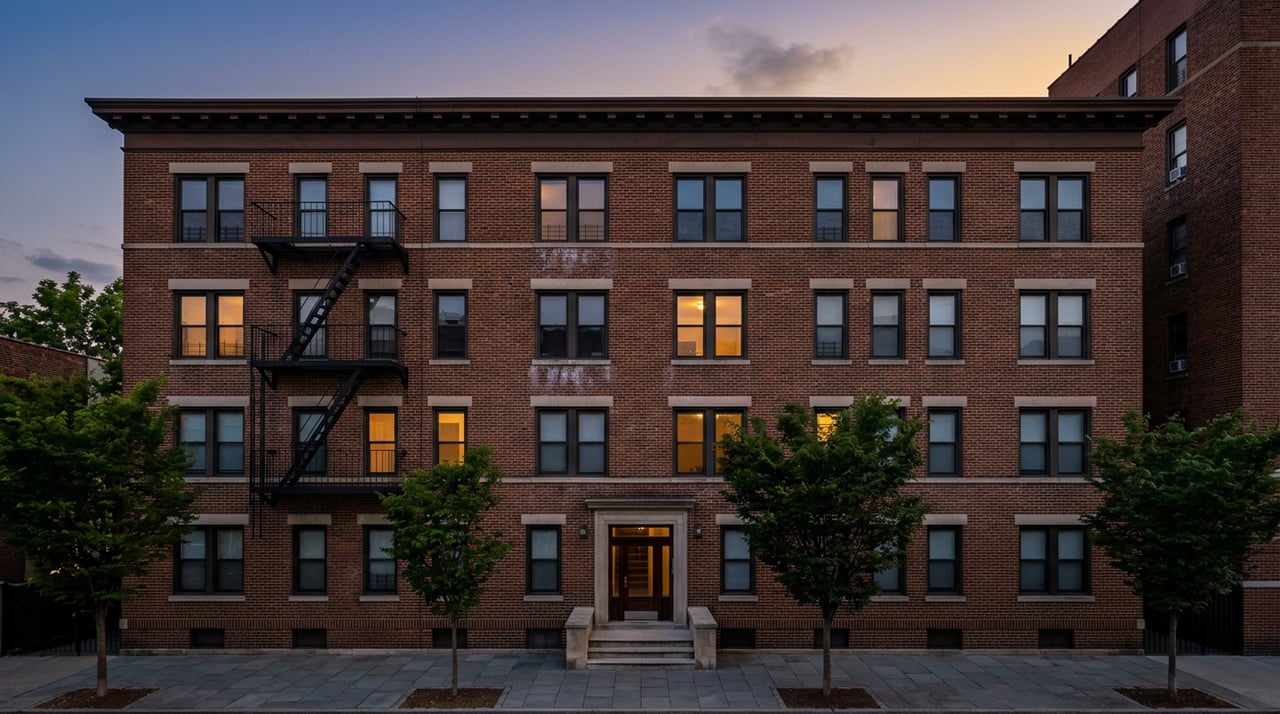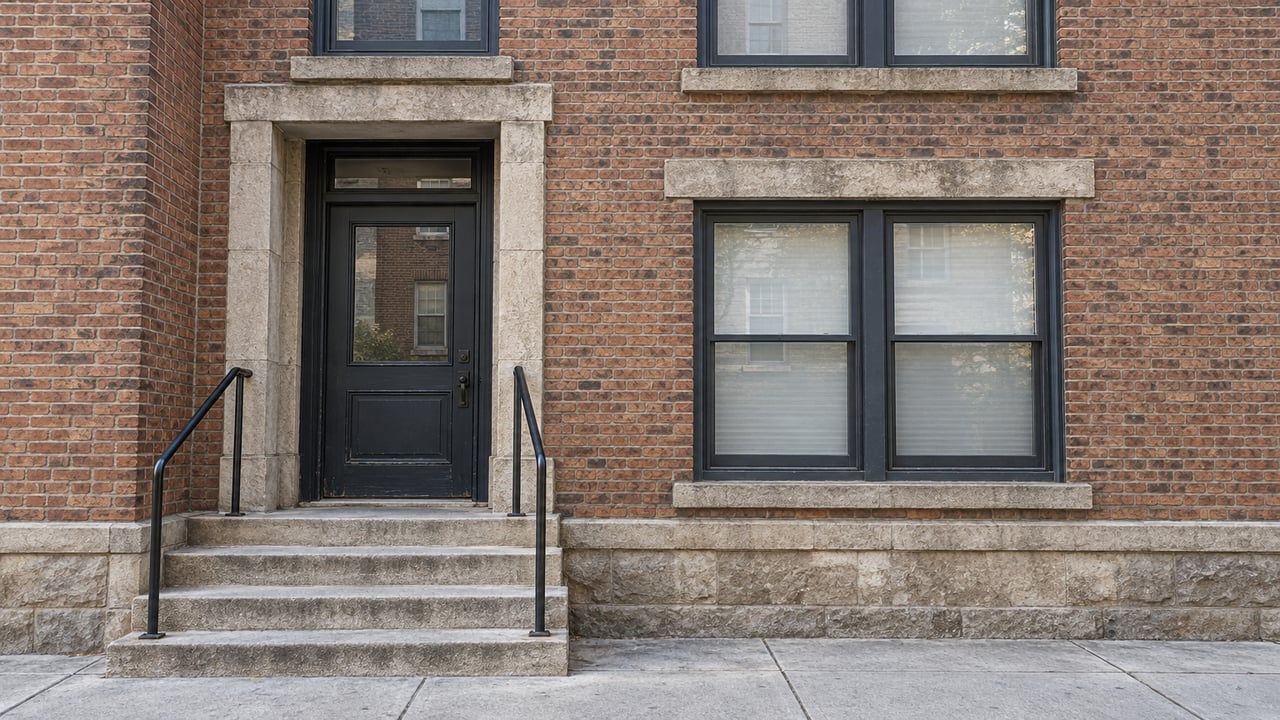
On June 24, 2026, LeFrak sold four rent-stabilized buildings in southern Brooklyn to Avi Singer's HF NYC. The buildings are at 8301 and 7705 Bay Parkway in Bensonhurst and at 1201 and 1640 Ocean Parkway in Midwood. J.P. Morgan Chase lent $24.8 million for the purchase. The recorded sale price was $34,026,000. The next evening, the Rent Guidelines Board voted 7–1 for 0% increases on both one-year and two-year stabilized lease renewals.
That order covers leases starting between October 1, 2026, and September 30, 2027, which means it begins tomorrow. If you're a small investor looking at a two-family on Avenue P or a six-unit walk-up near Ocean Parkway, the order changes the first question you need answered. That question is whether any unit in the building is stabilized. If so, it's about what each unit's registered rent history shows. A buyer can't get that history in rent records without the seller's help.
The record a buyer cannot request alone
New York State Homes and Community Renewal treats apartment rent information as confidential. Its Office of Rent Administration releases these records as of right only to the tenant, the owner of record, or an authorized representative of either. If you're in contract but don't own the building yet, you have to get access through the seller. Here's how it works in practice:
- The seller, or their authorized representative, files a records request through the HCR records access process. They can email [email protected] or submit Form REC-1, with a deed or tax bill as proof of ownership.
- Anyone filing as a representative has to attach a written authorization or power of attorney.
- REC-1 can request one apartment's rent history for chosen years, a rent roll for the whole building, or the improvement notices and tenant-consent files filed since June 2019. A building-wide rent roll is available only to the owner, the owner's authorized representative, or an authorized representative of all the tenants.
- An owner with an active ARRO account can skip the request entirely. After filing registrations, the owner can print certified rent histories at home, covering seven years or all years.
The fourth point affects your contract timeline. A seller who registers through ARRO can produce certified histories in an afternoon. A seller who files a records request is waiting on the state. Either way, the information you need for pricing sits with the person whose price you're negotiating.
The public shortcut isn't a substitute. The Rent Guidelines Board's building lists show only buildings with at least one registered stabilized apartment. They don't say which units are stabilized. The current lists come from HCR's 2024 registrations, dated as of November 2025. The board says neither its lists nor HCR's search settles a building's current status, and a building that never filed a registration may not appear at all.
Why that history now sets the price
According to Gothamist, the freeze applies to stabilized apartments in pre-1974 buildings with six or more units. It also applies to apartments in buildings that receive certain tax breaks or subsidies. Brooklyn's multifamily market had already been splitting along that line before the vote. Brooklyn sales data for the first half of 2026 show the 10-plus-unit segment, where regulated units are most common, fell 30% to $850 million. Smaller multifamily went the other way, up 16% to $410.1 million, as local owner-operators kept buying sub-six-unit buildings.
The per-unit gap is much wider than the volume gap. Here's how Brooklyn sales of 10-plus-unit residential buildings sorted by regulation share in Q2 2026:
| Regulation share, Brooklyn 10+ units, Q2 2026 | Share of transactions | Share of dollar volume | Average price per unit |
|---|---|---|---|
| Free market, including 421-a | 53.3% | 64.0% | $511,000 |
| 50–75% rent-stabilized | 13.3% | 7.2% | $259,000 |
| 75%+ rent-stabilized | 26.7% | 27.3% | $146,000 |
These figures cover larger buildings, and most of the closings happened before the June 25 vote. They show how the market prices regulation. They don't measure the freeze's effect. The lowest benchmark in the borough came in the first half of 2026, when Summit Properties bought the 2,692-unit Brooklyn share of Pinnacle Group's rent-stabilized portfolio for $212.9 million. That's about $79,000 per unit.
Brokers told The Real Deal in July that the full 0% outcome on both lease terms hadn't been fully priced in, and that bidders were lowering expectations. Some were asking to renegotiate deals already in progress. The same report cited a 40% drop in the average per-unit price of heavily stabilized buildings, from $270,000 in 2019 to $163,000 in 2025. It described current buyers as mostly long-time operators who already have staff running nearby buildings. Newer buyers drawn by low prices were reconsidering whether those prices were low enough.
So two buildings on the same block can be priced on different scales, and the deciding factor is how many units are stabilized. That puts the burden on the paperwork from the previous section.
Small buildings can be stabilized too
The six-unit rule of thumb misleads small-building buyers the most. HCR's Fact Sheet 41 says J-51 tax benefits, for rehabilitation completed before June 30, 2022, place a rental building under rent stabilization even if it has fewer than six units. The newer J-51 R program, for work completed on or after that date, places certain units under stabilization in buildings of any size. Buildings receiving 421-a (1-15) benefits are also stabilized. Under 421-a (16), affordable units and market units below the vacancy decontrol threshold are stabilized.
Even when a benefit has expired, the units may still be stabilized. Under HCR's rules, the required leases had to state that the unit would deregulate and give the approximate expiration date. If those notices weren't given, a unit can stay stabilized until the tenant moves out. The question is whether each lease carried the right language, and you'll only find out by reading the leases.
Configuration matters too. The Rent Guidelines Board's glossary says a garden-type maisonette complex may count as six or more homes operated as one complex, even if parts of it have one-family or two-family certificates of occupancy. In southern Brooklyn, where attached housing and subdivided lots are common, check the historic certificates of occupancy and building records along with the rent file.
Since the Housing Stability and Tenant Protection Act took effect on June 14, 2019, high-rent and high-income deregulation are no longer allowed. Units that were lawfully deregulated before that date stay deregulated. If a seller describes a unit as "deregulated," ask for documents showing when and how that happened.
What a lender sees
Freezing revenue changes what a building can borrow against. In a July 15, 2026 analysis, Fitch Ratings said a freeze combined with rising costs and higher rates could pressure valuations and refinancing. It expects lenders to underwrite more conservatively, with higher debt-service coverage requirements and lower loan-to-value ratios. Fitch saw buildings that are entirely or mostly stabilized as most exposed, and mixed market-rate and stabilized buildings as better positioned. For a small buyer, that means the same unit mix that sets a building's price also sets how much you can borrow against it.
Rules on improvement-based increases are another underwriting input. According to New York State Homes and Community Renewal, since an April 2024 state law took effect that October, the ordinary cap on eligible Individual Apartment Improvement costs is $30,000 per 15 years. The resulting increase equals 1/168 of the cost in buildings with 35 or fewer apartments, or 1/180 in larger buildings, and it's permanent. A separate $50,000 route applies only to certain qualifying apartments and requires prior DHCR certification. If a seller's pro forma assumes improvement-based increases, ask for the post-2019 IAI notices and tenant-consent files on REC-1.
The freeze is also under legal challenge. As The City reported, landlords represented by Randy Mastro sued in July. On September 24, Manhattan Supreme Court Judge Brendan Lantry didn't commit to a ruling before October 1. He said he would decide before the end of the year whether the freeze is legal and whether the rent-setting process should start over. Until then, new and renewal stabilized leases carry no increase. A contract you sign this fall should assume 0% and treat any change from the court as upside you can't count on.
The city records that complete the file
Rent records only show part of a building's status. The NYC Department of Finance property portal shows tax class, market value, tax bills, and exemptions by address or borough-block-lot. DOF's J-51 page links Brooklyn lists by tax year and a history lookup. Its 421-a page carries historical records through June 30, 2026, so confirm current end dates on the portal. HPD Online lists violations, complaints, litigation, and property registration history. HPD registration is a separate obligation for most buildings with three or more units, so it doesn't prove stabilization status either way.
FAQ
Does the freeze apply to a two-family or three-family house?
Usually not, because the order targets pre-1974 buildings with six or more units. It does apply to tax-benefit buildings, and J-51 can stabilize a building with fewer than six units. Check the parcel's benefit history before assuming a small building is unregulated.
Are lenders still financing stabilized buildings in southern Brooklyn?
The LeFrak Parkway Portfolio closed with a $24.8 million J.P. Morgan Chase acquisition loan, but the sale was recorded the day before the vote. Fitch expects tighter terms from here.
Should a contract address the rent history?
Rent records come through the owner, so give yourself time to get certified histories and a rent roll before your contingencies expire. Have a real estate attorney review the leases and benefit documents.
If you're weighing a small multifamily in Midwood, Gravesend, Sheepshead Bay, or Bensonhurst this fall, Svetlana Shushkovsky can help you collect the rent histories, tax-benefit records, and unit counts before you set a price, and can walk you through them in English, Russian, or Ukrainian. Request a free home valuation to see how your building's regulatory status affects its number.
This article is general information, not legal, tax or financial advice. Consult a qualified professional about your situation.