Thinking about buying a 2–6 unit building in southern Brooklyn? With borough rental vacancy near historic lows and steady investor demand, well-bought small multifamily can deliver durable cash flow and long-term value. You want a clear, local playbook that balances the numbers with on-the-ground realities. In this guide, you’ll learn what to buy, how to underwrite, which loans fit 1–4 units vs. 5+, and where the risks hide so you can invest with confidence. Let’s dive in.
Why small multifamily in southern Brooklyn
Brooklyn’s net rental vacancy was about 1.27% in 2023, according to the latest New York City Housing & Vacancy Survey. That is an extremely tight market that supports absorption and stable tenancy. For stress tests, model vacancy in the 3–5% range to stay conservative. You can review the city’s findings in the NYCHVS summary for context and methodology.
- Reference: NYCHVS 2023 selected initial findings
Recent industry cap-rate surveys point to roughly 4.5% to 6.0% for stabilized multifamily across New York City, with lower rates for prime assets and higher for value-add or older walk-ups. In practice, your exact number depends on location, condition, and tenant mix. Treat cap rate as a market signal and test a range when you model returns.
- Reference: Market commentary on NYC cap rates
What you can buy in southern Brooklyn
Common building types
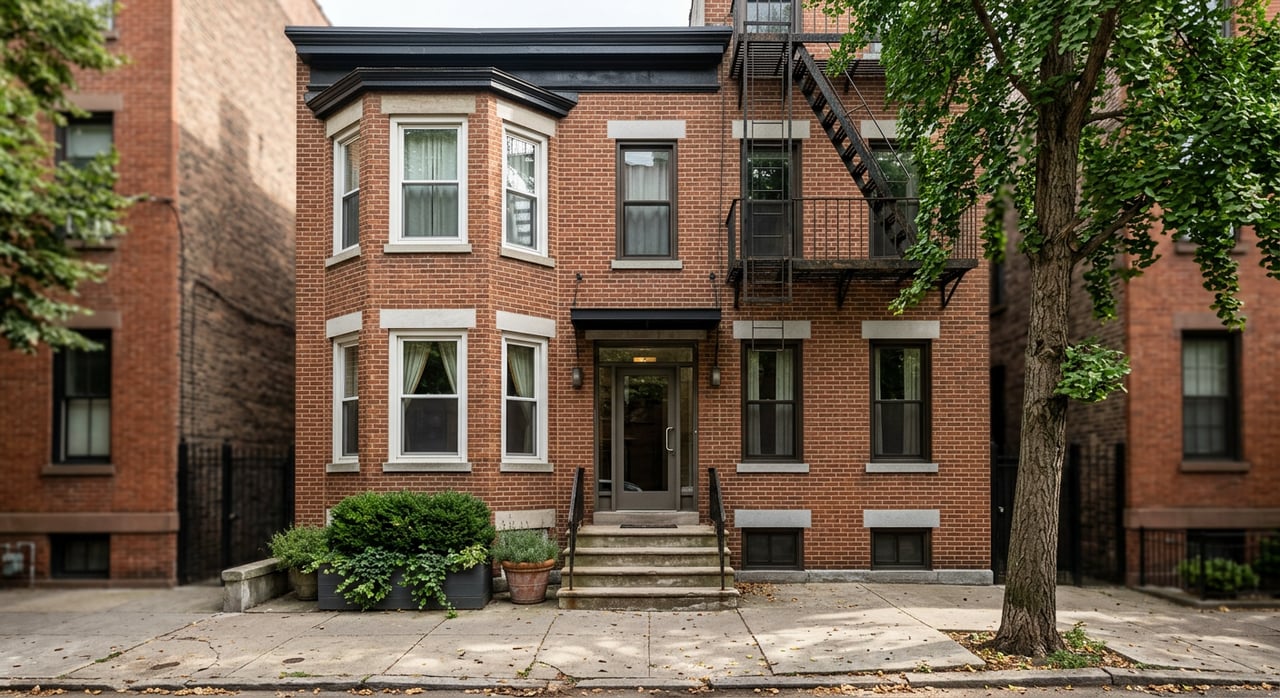
You will see a lot of two-family detached or semi-detached houses, three-family townhouses, and prewar 3–6 unit walk-ups, sometimes with ground-floor retail. Many buildings built before 1974 may include rent-stabilized units. These neighborhoods are block-by-block markets, so plan for detailed comps and rent-roll reviews.
Rent regulation basics
Rent stabilization is a major factor in underwriting New York City small multifamily. Pre-1974 properties and many 6+ unit buildings are more likely to contain stabilized units. Always verify registrations and legal rent histories through DHCR/HCR records rather than assuming full market rent potential.
- Reference: Furman Center on rent stabilization
Underwrite with Brooklyn-specific numbers
Below are practical ranges for quick screening. Replace placeholders with a seller’s rent roll, DOF tax bill, and recent closed comps before you finalize a pro forma.
- Vacancy and collection loss: 1% to 5%. The borough baseline was about 1.27% in 2023, but use 3–5% for conservative modeling. NYCHVS 2023
- Market cap rate: 4.5% to 6.5% citywide range, with 4.75% to 5.5% often used for well-located, stabilized Brooklyn assets. Cap-rate survey context
- Operating expense ratio: 30% to 50% of effective gross income, with older prewar stock toward the high end.
- Property management: 3% to 6% of gross rent.
- Capital reserves: budget about $250 to $500 per unit per month, depending on age and systems condition.
- Insurance and utilities: use actual quotes when possible. As a placeholder, $800 to $2,000 per unit per year can help you screen.
- Property tax: verify the building’s tax class and assessed value on the DOF roll. Class 2 has a 2026 rate of 12.439%, but your bill is based on assessed value, not market value. NYC DOF property tax rates
Core formulas to keep handy
- Gross Scheduled Rent = sum of current or market rents per unit × 12
- Effective Gross Income (EGI) = Gross Scheduled Rent − Vacancy & Credit Loss + Other Income
- Operating Expenses = all controllable and non-controllable OpEx items
- Net Operating Income (NOI) = EGI − Operating Expenses
- Capitalization Value = NOI ÷ target cap rate
- Debt Service Coverage Ratio (DSCR) = NOI ÷ Annual Debt Service
Sample quick screen
- Property: 4 units at an assumed $2,500 per unit per month
- Gross Scheduled Rent: $120,000 per year
- Vacancy at 5% → EGI: $114,000
- OpEx at 40% of EGI → $45,600
- NOI: $68,400
- At a 4.5% cap, value screens near $1,520,000
Use this only as a template. Replace every input with the seller’s P&L, rent roll, and tax bill for accuracy.
Financing options that fit your deal
1–4 units (residential lending)
If you plan to live in one unit, FHA and conventional residential products can work well. FHA 203(k) can bundle rehab with your purchase for one- to four-unit owner-occupied properties. Investor loans for non-owner occupants typically require larger down payments.
- Learn more: HUD FHA 203(k) overview
5+ units (commercial small-balance)
For five or more units, agency small-balance programs are often the most predictable path. Fannie Mae Small Loans and Freddie Mac Optigo Small Balance Loans commonly offer fixed or hybrid terms, amortizations up to 30 years, and leverage up to about 75% to 80% in qualifying cases.
- Program pages: Fannie Mae Small Loans and Freddie Mac Small Loans
Expect DSCR requirements around 1.20x to 1.35x on stabilized cash flow and typical 5 to 10 year terms with 25 to 30 year amortization. Always compare agency quotes with local portfolio bank options to optimize rate, prepay flexibility, and closing timeline.
- Underwriting benchmark: Typical DSCR thresholds
Due diligence checklist before you commit
- Rent roll, lease copies, and any rent-stabilization registrations. Confirm legal rents against reported rents. Furman Center context
- City records for DOB and HPD, including open violations or fines that can affect insurance and loan approval. HPD research and data portals
- DOF property tax bills, assessed value history, and any exemptions or abatements. Model a tax sensitivity case. NYC DOF tax rates
- Full building inspection that prioritizes boiler, roof, facade, plumbing stacks, and electric capacity. For pre-1978 homes, plan for lead-based paint and asbestos checks. NYCHVS condition indicators
- Environmental screening where relevant, especially if there is a history of oil tanks or certain commercial uses.
- Insurance quotes specific to small multifamily in NYC, since underwriter conditions may require remediations.
- Lender pre-approval and a draft term sheet aligned to your pro forma, with DSCR and LTV buffers.
Key risks and how to manage them
- Rent regulation exposure: Pre-1974 and many 6+ unit buildings can include stabilized units, which limit rent growth assumptions. Confirm registrations and legal rent histories before you project upside. Furman Center overview
- Property tax reassessment risk: Class 2 assessments in Brooklyn have trended higher in recent rolls. Model several scenarios and understand your building’s assessed-value mechanics. NYC DOF tax guidance
- Capital intensity for older stock: Boilers, roofs, masonry, and plumbing stacks can drive near-term projects. Budget higher reserves for prewar buildings and confirm with contractor bids. NYCHVS condition data
- Financing and rate volatility: Interest-rate shifts affect leverage and DSCR. Compare agency small-balance quotes with bank offers, and test refinance scenarios at higher rates. Freddie Mac small loans
How a local advisor adds value
You need more than a spreadsheet. You need block-by-block rent context, rent-stabilization verification, and a team that can translate the numbers into a clean closing. With multilingual service in English, Russian, and Ukrainian, a business and accounting background, and proven experience across Midwood, Sheepshead Bay, Gravesend, Homecrest, and nearby areas, you get practical guidance from offer to keys. If you want a quick screen on a building, help selecting the right loan path, or a plan to market units after upgrades, connect with Svetlana Shushkovsky today.
FAQs
What cap rate should I use for a small multifamily in southern Brooklyn?
- Recent surveys put NYC multifamily cap rates around 4.5% to 6.0% for stabilized assets, with exact targets driven by location, condition, and tenant mix. Market context
How should I model vacancy for Brooklyn rentals?
- Brooklyn’s 2023 net rental vacancy was about 1.27%, but many investors model 3% to 5% to stay conservative. NYCHVS reference
How does rent stabilization affect my underwriting?
- Stabilized units limit rent growth and often have longer tenure; verify registrations and legal rents before projecting upside. Furman Center primer
How do NYC property taxes work for small multifamily?
- Most rental buildings fall in Class 2, taxed at 12.439% for FY2026 on assessed value, not market value; always check the DOF roll and model tax sensitivity. DOF tax rates
What financing fits a 6-unit building in Gravesend?
- Agency small-balance options like Fannie Mae Small Loans and Freddie Mac Small Loans often offer up to about 75% to 80% LTV, 30-year amortization, and DSCR near 1.25x on stabilized cash flows. Fannie Small Loans and Freddie Small Loans
How much should I budget for capital reserves on older walk-ups?
- A common planning range is $250 to $500 per unit per month, with higher figures for older systems like roofs and boilers or known deferred maintenance.