Morning light on the bay, gulls overhead, and fishing boats easing out from the piers — it is hard to believe you are still in Brooklyn. If you want a coastal vibe without leaving the city, Sheepshead Bay delivers it in a distinctly New York way. In this guide, you will learn what life on the waterfront looks like, the types of homes you will find, what prices and carrying costs typically run, and the flood and ownership details to consider before you buy. Let’s dive in.
The bayfront experience on Emmons Avenue
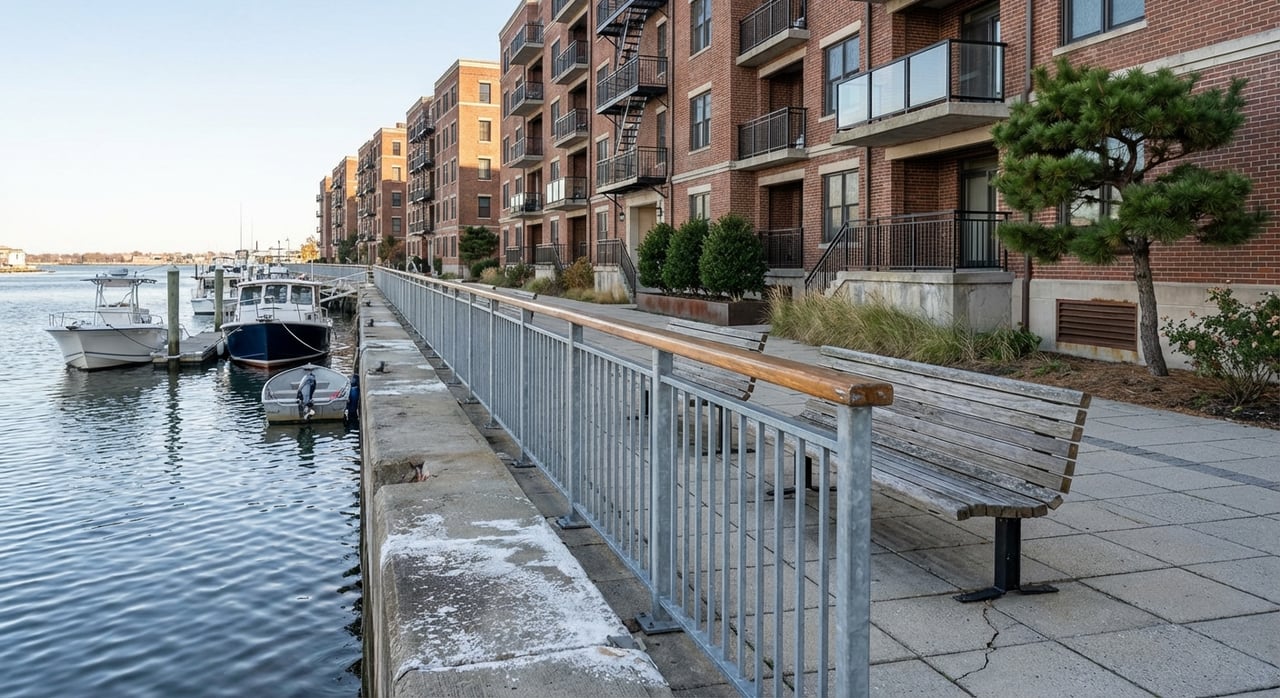
Emmons Avenue is the neighborhood’s waterfront spine, lined with small marinas, charter boats, and seafood spots. The city’s Sheepshead Bay Piers are active park facilities that host party boats and excursion vessels, so boat watching is part of daily life. Evenings often mean a stroll along the water and dinner with bay views.
You are also minutes from ocean beaches. Nearby Brighton Beach offers boardwalk energy and a seaside promenade, while Manhattan Beach brings a quieter oceanfront feel. If you want to compare experiences, start with the Brighton Beach overview and plan a quick visit.
Where you will find homes with water access
Emmons Avenue condos and mixed‑use buildings
Close to the water, you will see low‑ to mid‑rise condominiums and newer mixed‑use buildings. Many offer balconies, water views, and in some cases in‑building parking. Ground floors often host retail or dining, which keeps the waterfront active and convenient.
Courts, mews, and bungalows inland
Step a few blocks off Emmons and you will find older rows of one‑ and two‑story bungalows and small houses. Some were rebuilt on higher foundations after Hurricane Sandy as part of local recovery efforts. For background on how these distinctive courts evolved and were retrofitted, read this Urban Omnibus feature on post‑Sandy rebuilding in Sheepshead Bay’s courts and mews here.
The broader neighborhood mix
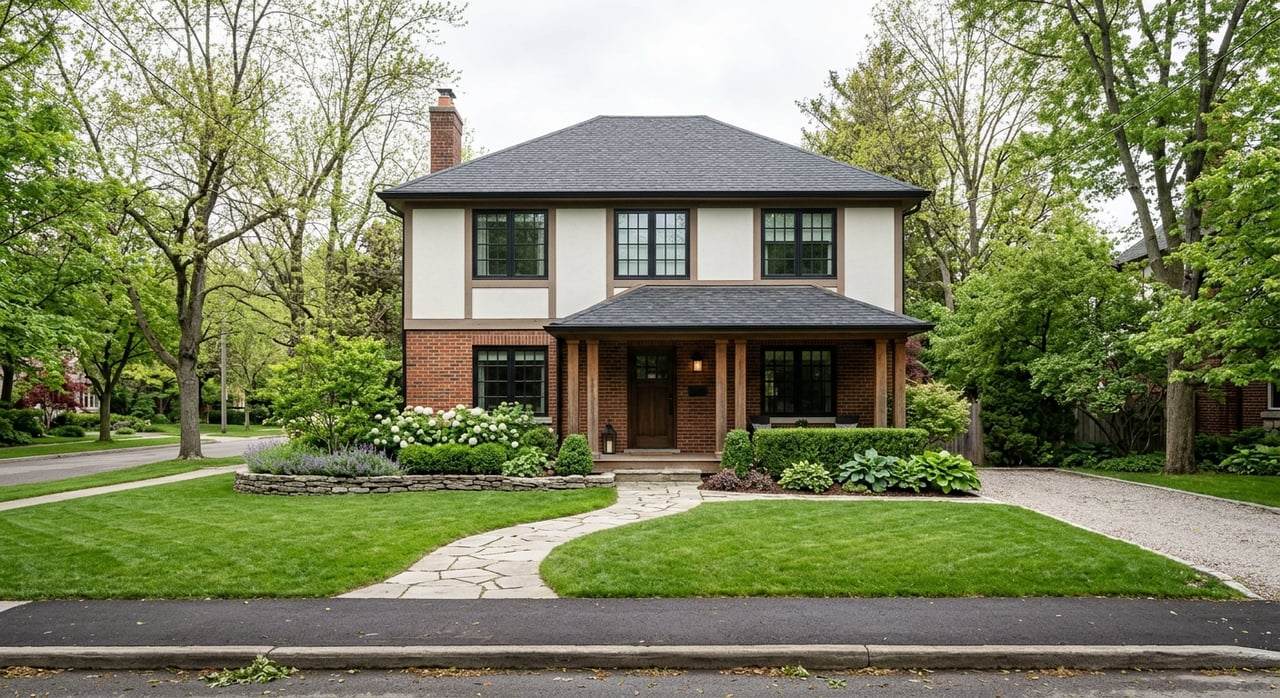
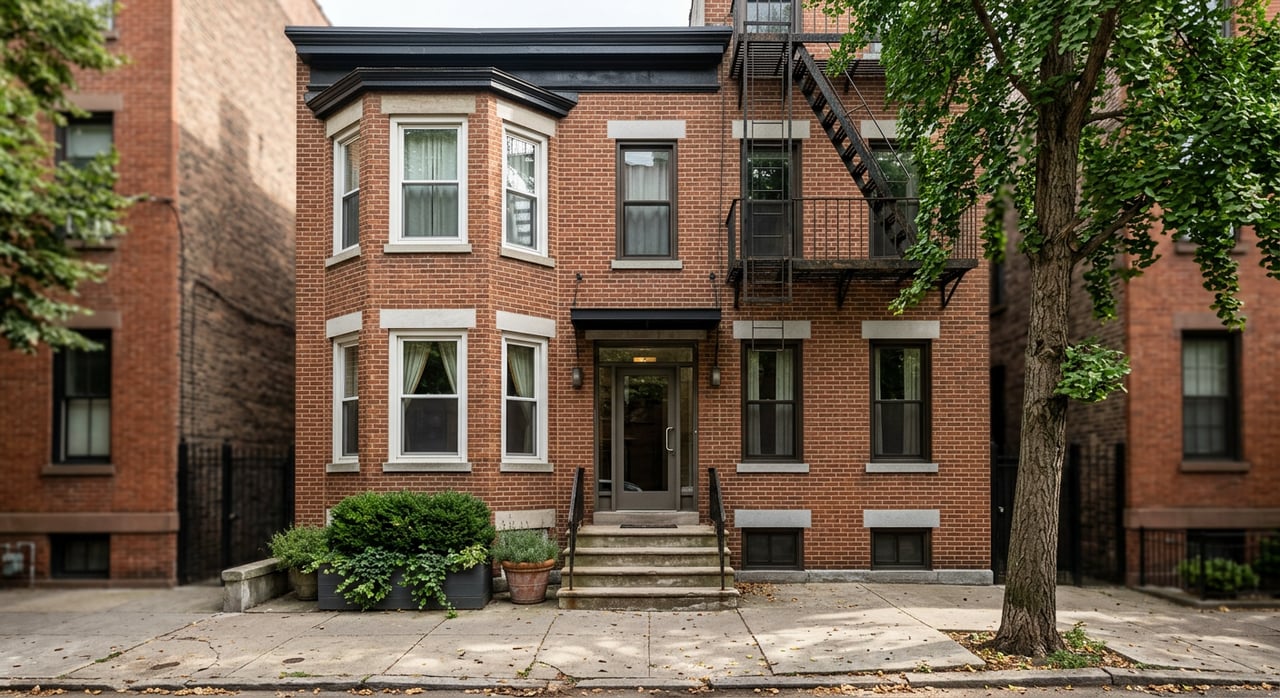
Beyond the bayfront, Sheepshead Bay offers a classic Brooklyn blend: two‑ and three‑family brick houses, mid‑century apartment buildings, and prewar co‑ops. Ownership types vary by block. Newer buildings near the water tend to be condominiums, while many older apartment houses operate as cooperatives.
Condo vs co‑op on the bay
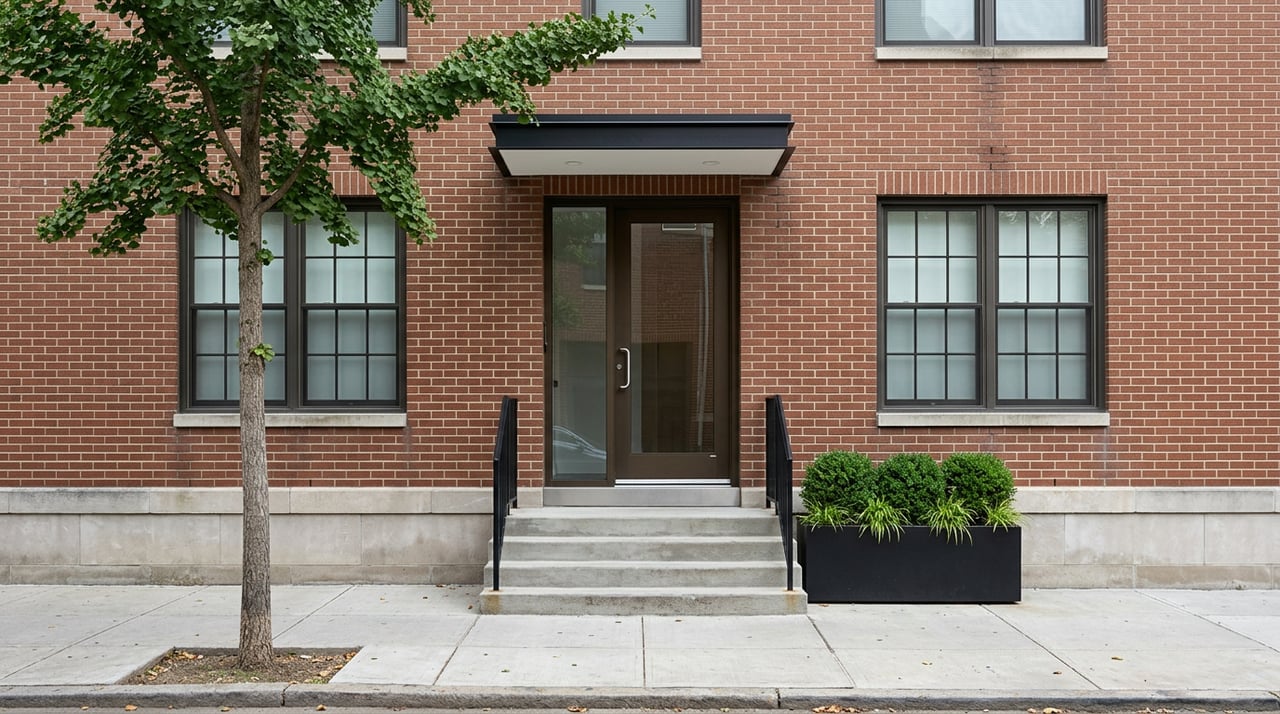
In a condominium, you own your unit with a deed, pay common charges, and receive a separate property tax bill. Condos are typically easier to finance and often allow more subletting flexibility. A cooperative (co‑op) is different: you buy shares in a corporation and receive a proprietary lease. Monthly maintenance usually includes the building’s real‑estate taxes and operating costs, and purchases often involve more documentation and a board approval process. For a practical side‑by‑side, see this consumer guide to co‑ops vs. condos in NYC.
What homes cost on the bay today
Prices vary by building age, location, and view. Recent snapshots show the Zillow Home Value Index for Sheepshead Bay around about $670,775 as of January 2026, while some MLS‑based datasets report a median sale price in the mid‑$700,000s. You should expect entry‑level co‑ops and condos to cluster roughly in the mid‑$400,000 to $700,000 range, with many waterfront and new‑construction condos trading higher. Rents for typical apartments often center around about $3,000 per month depending on size and exact location.
These figures differ by data provider because each uses its own method and time window. The best approach is to look at a range rather than a single number, then review building‑specific comps before you make an offer.
Commute and access
Sheepshead Bay is more commuter‑friendly than some coastal areas. The neighborhood’s namesake station on the Brighton Line is served by the Q train at all times and the B on weekdays, with connections into Brooklyn and Manhattan. To plan a door‑to‑door trip, use the Q line map. You will also find several local bus routes and neighborhood amenities within a short walk of the waterfront.
Flood risk and resilience: what to know
No coastal neighborhood is risk‑free. Parts of Sheepshead Bay sit in or near FEMA‑mapped Special Flood Hazard Areas (SFHAs). Before you buy, check the property’s flood status using FEMA’s Flood Map Service Center, then confirm details with an elevation certificate if available. New York City’s Hazard Mitigation Plan explains that south‑Brooklyn communities face tidal surge, nuisance tidal flooding, and combined sewer/stormwater risks, with projections showing increased coastal exposure over time. For the citywide context, review the NYC flood hazard profile.
Insurance rules are specific. If a structure is in an SFHA and you have a federally regulated mortgage, lenders must require flood insurance for the building, per federal guidance. FEMA’s pricing approach, called Risk Rating 2.0, prices policies property by property, taking into account elevation, distance to water, foundation type, and replacement cost. That means premiums can vary widely even between seemingly similar homes. Learn more about how this works in the CRS summary of Risk Rating 2.0.
When you tour, ask targeted questions about building resilience and history:
- Elevation of the lowest habitable floor or an elevation certificate.
- Location of mechanical and electrical systems relative to anticipated flood levels.
- Any prior flood damage, claims history, or repairs.
- Whether the property has dry or wet floodproofing or flood vents.
- Evidence of bulkhead work or permits where relevant.
- Any post‑Sandy retrofits or participation in city or federal programs. You can explore how nearby courts approached retrofits in this Urban Omnibus article.
Taxes and monthly costs
Carrying costs are more than just your mortgage. In condos, you will pay common charges plus a separate property tax bill. In co‑ops, monthly maintenance typically includes the building’s taxes and operating expenses. New York City calculates property taxes by tax class, and assessed values can phase in over time, so do not assume a single percentage tells the full story. For the city’s explanation of assessments and tax classes, use the Department of Finance’s property tax guidance.
Closing costs differ too. Co‑op buyers often see lower closing fees but should plan for stricter board requirements and liquidity checks. Condo buyers usually face higher closing costs due to items like mortgage recording tax and title insurance, but they may have more flexibility on subletting and resale. You can review common tradeoffs in this consumer overview of co‑ops and condos.
How Sheepshead Bay compares nearby
- Sheepshead Bay: Bayfront dining, piers, and marinas as everyday scenery, with a mix of new waterfront condos and older inland courts. Waterfront exposure often commands a premium.
- Brighton Beach: Direct ocean access and a lively boardwalk culture a short hop away. Get a sense of the setting from the Brighton Beach overview.
- Homecrest: More inland and residential, with a higher concentration of small apartment buildings. Many buyers compare it as a value option versus bayfront properties.
Quick buyer checklist
- Confirm exact flood status for the address in FEMA’s Flood Map Service Center.
- Get two flood‑insurance quotes early, including one under Risk Rating 2.0 using the CRS summary to understand pricing factors.
- Request building docs: insurance claims, financials, emergency plans, and any post‑Sandy retrofits. See localized retrofit context in Urban Omnibus.
- Verify your commute using the Q line map and check local bus options.
- If buying a co‑op, clarify board requirements for down payment and post‑closing liquidity; if buying a condo, line‑item common charges and separate property taxes. For a primer, review this co‑op vs. condo guide.
- Build a monthly budget that includes mortgage, taxes, common charges or maintenance, utilities, insurance, and a reserve for periodic assessments. Use NYC DOF’s assessment overview to understand how taxes work.
Make your move with local guidance
Waterfront living in Sheepshead Bay can be both practical and inspiring if you go in with clear numbers and a sound plan. You deserve an advisor who knows each block, understands co‑op and condo tradeoffs, and helps you navigate flood due diligence with confidence. If you prefer service in English, Russian, or Ukrainian, you can work seamlessly in your language.
Have questions or want pricing for a specific building? Connect with Svetlana Shushkovsky for data‑driven, hyper‑local guidance and a smooth, well‑managed closing.
FAQs
Is the Sheepshead Bay waterfront safe from flooding?
- No coastal area is flood‑proof. Parts of the neighborhood fall in FEMA‑mapped flood zones. Always check a specific address in the FEMA Flood Map Service Center and factor insurance into your budget.
Do I need flood insurance for a condo in Sheepshead Bay?
- If any part of the building is in a Special Flood Hazard Area and you have a federally regulated mortgage, your lender will require flood insurance. Even outside SFHAs, many owners choose coverage for added protection.
Are waterfront units always more expensive in Sheepshead Bay?
- Water views and proximity to the bay often add a premium, but final pricing depends on unit size, building amenities, condition, and market timing. Review recent comps for the building and adjacent blocks before you bid.
What is the commute like from Sheepshead Bay to Manhattan?
- The Q train runs at all times from Sheepshead Bay with weekday B service, providing direct connections into Brooklyn and Manhattan. Many residents find the commute predictable compared to other coastal areas.
Should I choose a condo or a co‑op near the water?
- It depends on your goals. Buyers wanting sublet flexibility and simpler financing often prefer condos, while value‑focused, long‑term residents may lean toward co‑ops. Compare board rules, down payment needs, and total monthly costs before deciding.