Thinking about putting down roots in Midwood, Brooklyn? You hear about the tree-lined blocks, steady rhythm of daily life, and the strong sense of community, but you want a clear picture before you make a move. This guide gives you a practical look at housing, commuting, schools, shopping, and what to check before you buy or rent. By the end, you will know if Midwood fits your goals and how to move forward with confidence. Let’s dive in.
Where Midwood fits in Brooklyn
Midwood sits in south-central Brooklyn, in a primarily residential pocket between busy commercial corridors. Locals often describe the area as roughly between Avenue H and Kings Highway, and between Coney Island Avenue and corridors west near McDonald Avenue. You are close to Flatbush to the north, Borough Park to the west, and Bensonhurst and Gravesend to the south and southwest.
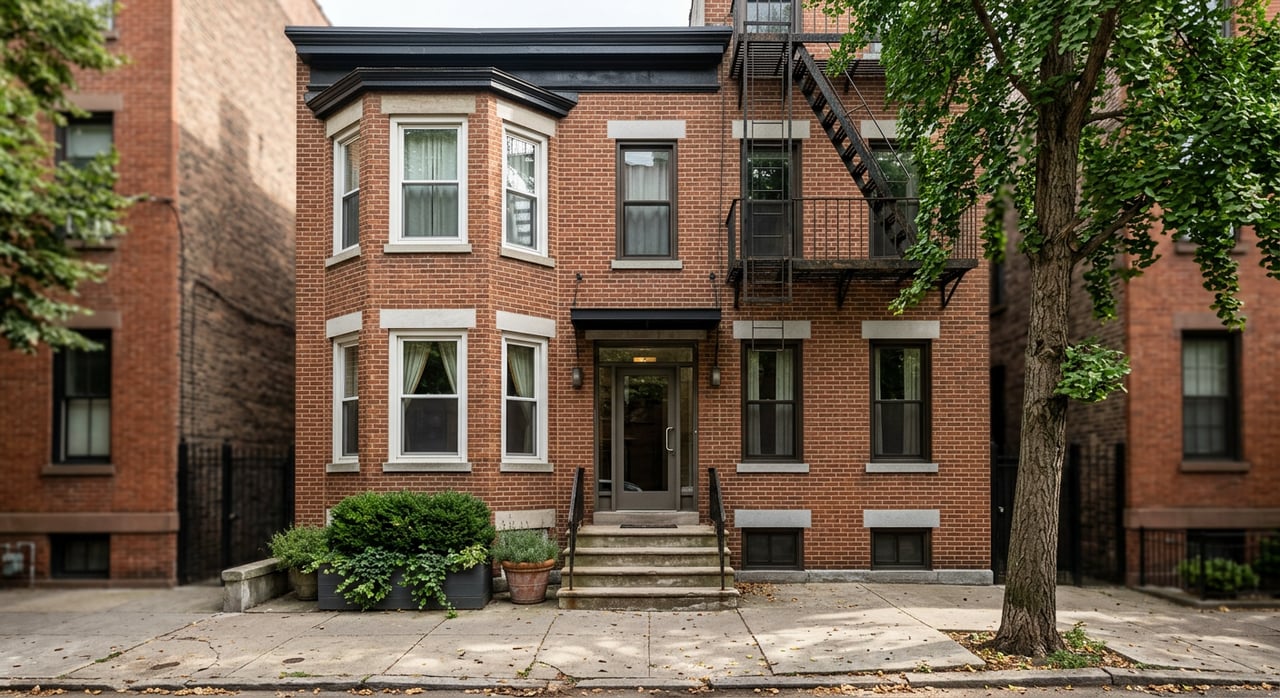
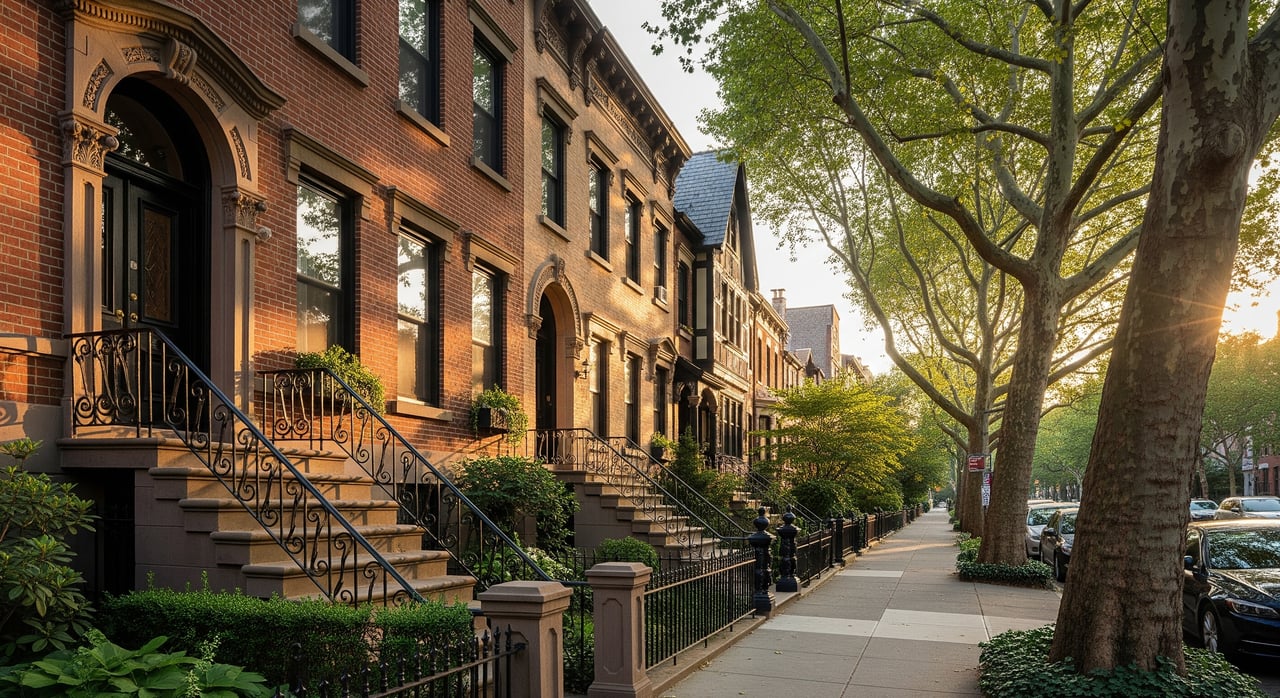
The streetscape reflects early 20th-century growth. You see brick rowhouses, semi-detached homes with small front yards, and low-rise buildings on leafy blocks. Main avenues like Kings Highway, Avenue J, and Coney Island Avenue carry most of the neighborhood’s retail and services.
Community life is diverse. Many residents observe Orthodox Jewish traditions, and you will find numerous synagogues, yeshivas, and kosher businesses. You also meet long-time Brooklyn families and immigrant communities, including Russian-speaking, South Asian, and Caribbean neighbors in nearby corridors. The pace of the week shifts around religious observance, so weekend hours and street activity can vary.
Housing types you’ll see
Midwood offers a wide mix of homes and apartments, which is a big reason many buyers and renters consider it.
Rowhouses and multi-family
Two- and three-family brick rowhouses line many side streets. These homes often feature basements, small backyards, and classic prewar details. If you are buying, you might consider living in one unit and renting another for income.
Single-family and detached
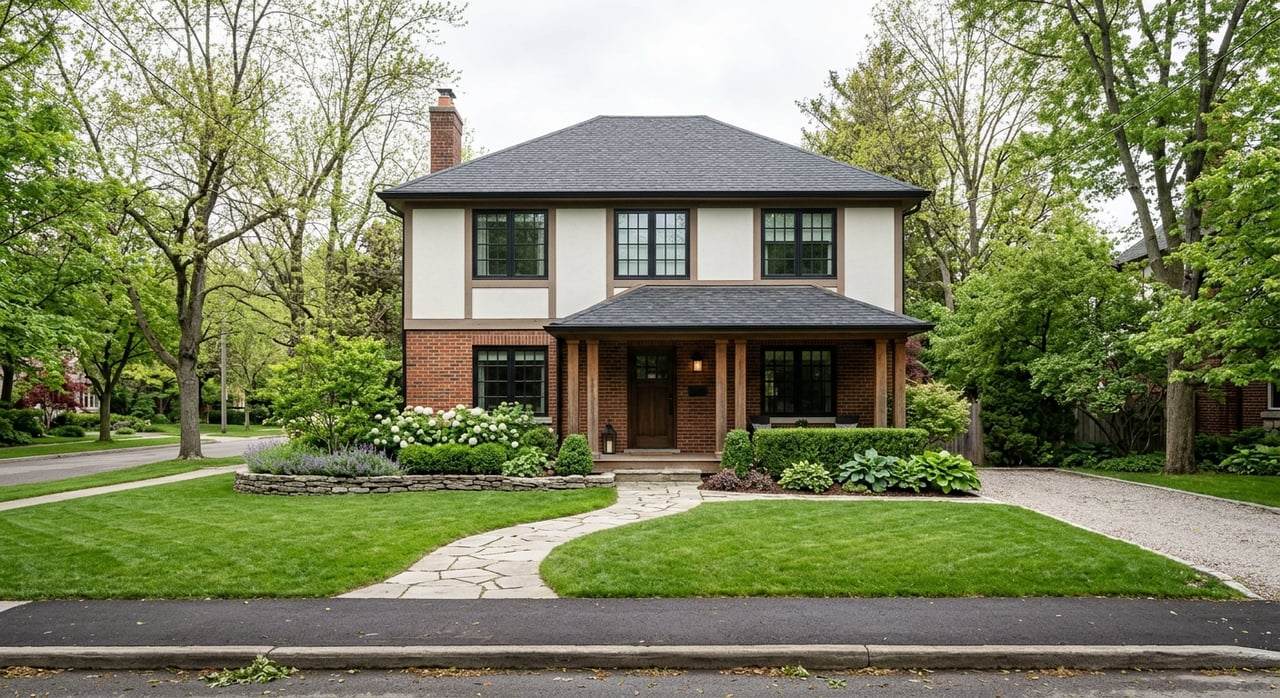
Early- to mid-20th-century detached homes sit on narrower lots with modest front and rear yards. Some have driveways, which is a perk in this part of Brooklyn. Renovations and tasteful expansions are common, but zoning rules shape what you can change.
Co-ops and condos
You will find low-rise co-op buildings and garden apartments across Midwood, plus a handful of mid-rise condo conversions or new infill. Co-ops can be the most budget-friendly path to ownership, though board approvals and down payment requirements vary by building.
What to inspect before you buy
Older homes deserve a close look. Focus on:
- Basement and water intrusion, including drainage and waterproofing.
- Boiler, heating system, and hot water equipment.
- Roof, masonry, and facade condition on brick houses.
- Lot lines, parking easements, and curb cuts. Verify any shared driveways.
- Zoning and permitting if you plan additions or conversions. Check city records before you spend on plans.
- Co-op rules if buying an apartment. Review house rules, flip taxes, and maintenance history.
Buying or renting in Midwood
How to gauge prices
Market conditions change quickly. Compare recent sale and rent trends for your property type and block, rather than relying on broad neighborhood averages. Look at days on market and listing-to-sale price gaps for a real feel of momentum. Always verify the month and source when reviewing numbers and ask for a building-level or block-level comp set.
Co-op considerations
Co-ops may require higher down payments, board interviews, and more detailed financial disclosures. You should plan ahead by gathering tax returns, W-2s, bank statements, and a simple asset and debt summary. Ask about building reserves, repair plans, and any planned assessments that could affect monthly costs.
Investor notes
Small multi-family properties can produce steady rental income in Midwood, thanks to consistent neighborhood demand. Before you buy, model realistic rents, maintenance, and vacancy assumptions. Check for proper registrations, existing leases, and compliance with local rules. For renovations, confirm scope and permits so you avoid delays.
Transit and commuting
Subways and buses
Midwood residents have multiple subway options within walking distance or a short bus ride, depending on your address. Many commutes to northern Brooklyn and Manhattan are one-seat or one-transfer trips. If you are comparing routes, run sample trips at your typical departure time to confirm door-to-door timing.
Driving and parking
Street parking is common, and some homes include driveways. Alternate-side rules vary block by block, so you should read street signs and check city guidance before you rely on a set routine. Major east-west and north-south corridors make car travel straightforward, and access to the Belt Parkway helps for longer trips.
Biking and walking
Side streets are comfortable for cycling, though most riders still use main corridors to reach shops and transit. Always check the latest city bike maps for new protected lanes near your blocks.
Schools and childcare
Public school overview
Midwood is home to Midwood High School, a long-established public high school known citywide. Several elementary and middle schools serve the area. Because school zones can shift, confirm the current zoned schools for your address using official school locator tools and review School Quality Snapshot reports for enrollment and program notes.
Private schools and yeshivas
You will find many private and parochial options, along with numerous yeshivas and religious day schools that support Orthodox families. Enrollment policies and schedules vary, so contact schools directly for admission details and openings.
Early education and childcare
Midwood offers a mix of private daycares, nursery programs, and religiously affiliated preschools. Seats can be competitive in certain programs. If you need care by a specific date, start your search early and join waitlists.
Daily life and amenities
Shopping and services
You can cover most daily needs within a few blocks. Kings Highway, Avenue J, Avenue M, and Coney Island Avenue offer groceries, pharmacies, independent retailers, and service businesses. Many are small, family-run shops that contribute to the neighborhood’s friendly feel.
Food and culture
Expect a rich kosher dining scene, classic delis, bakeries, and cuisines that reflect the area’s mix of communities. Weekend hours can shift around religious observance, so plan ahead for Friday evenings and Saturdays in some corridors.
Parks and recreation
Midwood is close to several neighborhood parks and playgrounds, and larger green spaces are not far by car or bus in southern Brooklyn. Beaches such as Manhattan Beach and Brighton Beach are within a short drive from many blocks, which makes summer weekends easy.
Libraries and civic life
Brooklyn Public Library branches serve Midwood with programs for kids, teens, and adults. Community boards and local civic groups are active sources for neighborhood updates, zoning notices, and street changes.
Safety and quality of life
Midwood is generally perceived as a quiet, residential area compared to nightlife-heavy parts of the city. Activity tends to center around commercial corridors, schools, and houses of worship. Safety can vary block by block, so review recent local crime data, walk your route at different times, and speak with neighbors to get a feel for your specific area.
Is Midwood a fit for you?
You may like Midwood if you prefer low-rise streets, a strong neighborhood routine, and easy access to daily essentials. The housing mix lets you choose between a yard, a multi-family setup with rental income, or a co-op with predictable monthly costs. If you want late-night nightlife outside your door, you might commute to it rather than find it on a typical Midwood block.
Smart steps before you move
Use this quick checklist to make a confident decision:
- Walk the block at morning, afternoon, and late evening to gauge noise and foot traffic.
- Time your commute using your actual departure and return windows.
- Confirm school zoning, enrollment deadlines, and after-school options.
- Review building and property records for permits, violations, and any open work.
- Inspect basements, roofs, boilers, and masonry with a trusted inspector.
- Ask about parking rules, driveway access, and any shared easements.
- For co-ops, review financials, house rules, and planned capital projects.
- For investors, model rents, expenses, and reserves using conservative assumptions.
If you are comparing homes across Midwood, a data-driven pricing and due diligence plan can save time and stress. A clear valuation, neighborhood comps, and a clean contract timeline help you close smoothly.
Ready to tour homes or build a pricing plan that fits your goals? Connect with Svetlana Shushkovsky for practical, multilingual guidance in English, Russian, and Ukrainian, plus disciplined valuation and closing support across southern and central Brooklyn.
FAQs
What is the vibe of living in Midwood, Brooklyn?
- Midwood offers calm, residential blocks with everyday amenities on nearby avenues, a strong sense of routine, and diverse community life shaped by local institutions and small businesses.
What housing types are common in Midwood?
- You will see two- and three-family brick rowhouses, detached and semi-detached single-family homes, low-rise co-ops, garden apartments, and some mid-rise condo conversions.
How are commutes from Midwood to Manhattan?
- Many residents take the subway with one-seat or one-transfer trips, though exact times depend on your address and departure time; always test your route at peak hours.
What should I inspect in older Midwood homes?
- Focus on basements and water intrusion, heating systems, roofs and masonry, and verify zoning, permits, and any parking or driveway easements before you commit.
Are there good shopping and food options in Midwood?
- Yes. Kings Highway, Avenue J, Avenue M, and Coney Island Avenue provide groceries, pharmacies, bakeries, and a wide range of eateries, including many kosher-certified spots.
How should I evaluate schools if I move to Midwood?
- Confirm your zoned schools using official tools, review School Quality Snapshot reports, and contact schools directly for enrollment, programs, and waitlist details.