Trying to choose between a co-op and a condo in Midwood? You’re not alone. Many first-time buyers and families weigh the tradeoffs around approvals, down payments, and monthly costs before making a move. You want clarity, less stress, and a home that fits your budget and lifestyle.
In this guide, you’ll learn the plain-English differences, how they play out in Midwood, and practical steps to prepare a strong application. You’ll also find a short bilingual checklist and a real-world process that helps you move from searching to closing with confidence. Let’s dive in.
Co-op vs condo in simple terms
A co-op is ownership by shares in a corporation that owns the building. You get a proprietary lease for your specific unit, and a co-op board sets and enforces rules. A condo is real property. You receive a deed to the unit plus an undivided interest in the common areas, and a condo board manages the building’s rules and budget.
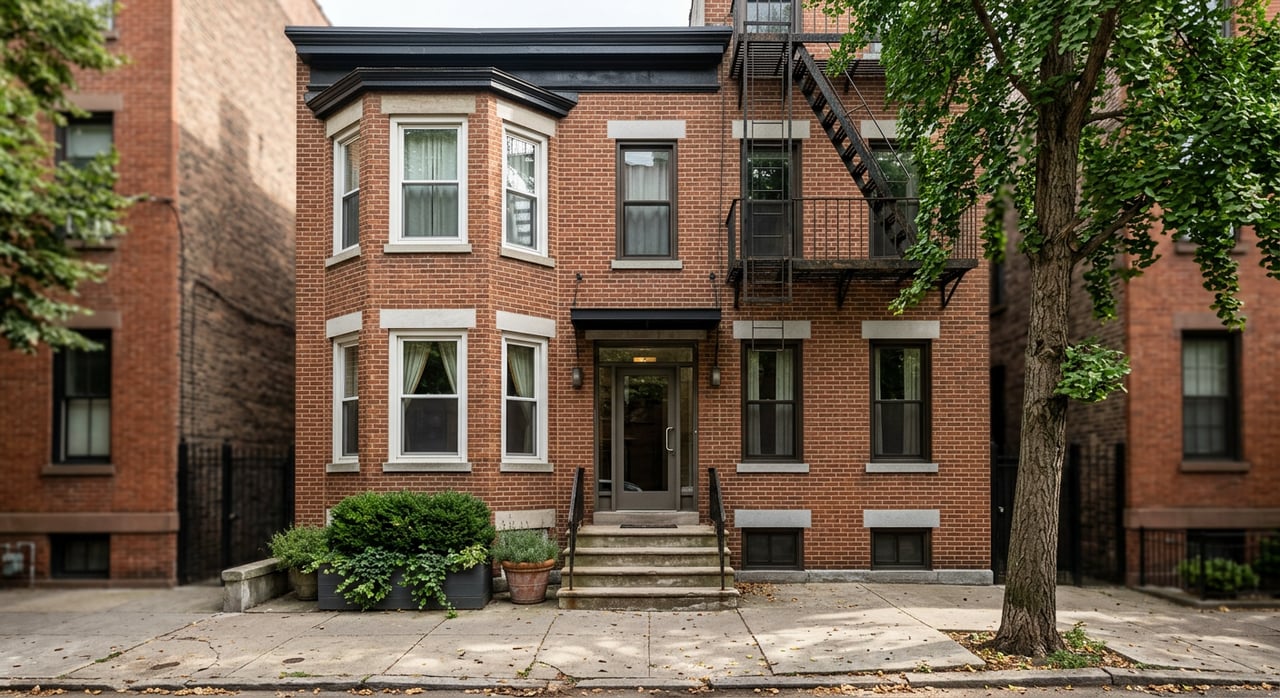
In Midwood, you’ll find many older co-op buildings, often prewar or mid-century, plus a smaller number of condos, especially in newer or converted properties. Co-ops can be a strong value play for budget-conscious buyers, while condos may come at higher price points and offer newer finishes or layouts. Always compare specific buildings nearby, since condition and amenities can matter as much as the legal structure.
What this means for Midwood buyers
Because co-ops are common in Midwood, you’ll likely see more co-op options at entry-to-mid price points. Condos exist too, but inventory is usually smaller and may cost more per square foot. Your decision should balance lifestyle priorities, flexibility needs, and the approval process.
If you prefer simpler approvals and more rental flexibility, condos tend to be more permissive. If you value price and plan to live in the home long term, a co-op could be a fit. Either way, look at building-by-building details rather than labels alone.
Board approvals: how they differ
Co-op boards have the power to accept or reject buyers. You submit a full board package and usually attend an interview. Boards evaluate financial strength, employment and credit history, references, and overall fit with house rules. Requirements vary by building, and older Midwood co-ops may be more conservative, while newer co-ops sometimes take a more flexible view.
Condo boards typically conduct administrative reviews rather than full interviews. Their role is usually to confirm identity and financing. Your lender’s underwriting is the main hurdle for condos, not a board decision about your application.
What co-op boards typically ask for
- Completed co-op application and fees
- Personal financial statements and recent tax returns
- Pay stubs, W-2s or 1099s, and employment verification
- Bank statements showing required post-closing liquidity
- Reference letters from employer, landlord, bank, and personal contacts
- Credit authorization and background checks
- Photo ID and tax-identifying documentation
- Signed contract and attorney review confirmation
- Interview scheduling and attendance
Practical tip: Plan early. A complete, organized board package and timely responses go a long way.
Down payments and financing
Co-ops in NYC commonly require at least 20 percent down, and many expect 20 to 25 percent or more depending on board policies and building financials. Co-op mortgages are called share loans, and underwriting is similar to traditional mortgages. Boards often want to see meaningful post-closing liquidity and the ability to handle potential assessments.
Condos often permit lower down payments. Some buildings and programs allow 10 percent down or even less in specific cases, though many buyers still choose 10 to 20 percent for stronger terms. Financing approval in condos is driven by lender guidelines, and some new construction may offer sponsor options. If you’re considering FHA or VA programs, condos are more likely to appear on approved lists than co-ops, but always confirm building eligibility.
If you’re newer to the U.S. or building a credit history, certain lenders offer ITIN or nonresident programs. Strong savings, larger down payments, employer letters, and bank references can help both with lender approval and co-op board confidence.
Monthly costs explained
Co-op maintenance combines multiple expenses into one monthly payment. It usually includes building operations, staff, management, reserves, insurance, your unit’s share of building real estate taxes, and sometimes payments on an underlying building mortgage. Because these items are bundled, co-op maintenance can look higher on paper.
Condo owners pay two separate items each month: common charges for building operations and reserves, and property taxes directly to the city for the unit. To compare apples to apples, calculate your total monthly cost. For a condo, that is HOA plus property taxes. For a co-op, that is the maintenance line item. Both types can levy special assessments for capital projects, especially in older buildings.
Subletting, pets, renovations, and resale
- Subletting:
- Co-ops often restrict subletting, sometimes requiring a minimum owner-occupancy period and limits on duration or frequency.
- Condos are usually more flexible, with registration and compliance rules set by the condo documents and lender requirements.
- Pets:
- Policies are building-specific in both co-ops and condos. Always verify the latest house rules.
- Renovations:
- Co-ops typically require approvals, licensed contractors, permits for certain work, and insurance certificates. In older buildings, noise and impact rules can be strict.
- Condos also require approvals for work affecting common elements, with specifics in the condo declaration and bylaws.
- Resale:
- Co-op resales require board approval of the incoming buyer.
- Condo resales transfer by deed, and board review is more administrative.
First-time and immigrant buyer essentials
Many first-time buyers and immigrant families ask the same core questions: Will a co-op board approve me without long U.S. credit? How much cash do I need beyond the down payment? Can I rent the unit if I need to move later? The short answer is that preparation is everything. Strong documentation, a lender matched to your property type, and clear expectations around rules and timelines will help you succeed.
Quick prep checklist (English)
- Get a mortgage pre-approval tailored to co-ops or condos
- Gather tax returns, pay stubs, W-2s/1099s, and bank statements
- Show required post-closing liquidity per building policy
- Order certified translations for any non-English documents
- Collect employer, landlord, bank, and personal references
- Work with a NYC real estate attorney experienced in co-ops/condos
- Confirm subletting, renovation, pet, and house-rule details before you offer
Короткий чек-лист (Русский)
- Получите предварительное одобрение ипотеки для кооператива или кондоминиума
- Соберите налоговые декларации, справки о доходах и выписки из банков
- Подтвердите требуемые резервы после закрытия по правилам здания
- Подготовьте заверенные переводы всех документов на английском
- Соберите рекомендации от работодателя, арендодателя, банка и личные
- Наймите нью-йоркского юриста с опытом сделок в кооперативах/кондо
- Уточните правила субаренды, ремонта, домашних животных и распорядка
Короткий чек-лист (Українська)
- Отримайте попереднє схвалення іпотеки для кооперативу або кондомініуму
- Зберіть податкові декларації, довідки про дохід і банківські виписки
- Підтвердіть необхідні резерви після закриття згідно з правилами будинку
- Підготуйте засвідчені переклади документів англійською мовою
- Зберіть рекомендації від роботодавця, орендодавця, банку та особисті
- Працюйте з нью-йоркським юристом, який має досвід у кооперативах/кондо
- Перевірте правила суборенди, ремонту, домашніх тварин і розпорядку
How a local agent navigates Midwood co-op boards
Here is a practical step-by-step approach that works well for co-op buyers in Midwood:
- Pre-screen inventory. Target buildings whose board policies fit your profile. Some co-ops are more flexible than others.
- Secure the right pre-approval. Use a lender that understands share loans and the building’s financials. Make sure lender guidelines align with board expectations.
- Assemble a strong board package early. Include standard financials and a concise cover letter. If helpful, prepare it in both English and your native language with certified translations.
- Prepare for the interview. Practice common questions about your work, schedule, and how you plan to follow building rules. Bring documentation and dress professionally. If language is a concern, arrange a bilingual attorney or translator per building policy.
- Plan for timing. Build extra time for board review and approval. Keep a condo backup option if you need faster certainty.
- Negotiate smart contingencies. Include a board-approval contingency to protect your deposit if you are not approved.
- Post-approval onboarding. Review house rules and renovation procedures so you can settle in smoothly and avoid surprise assessments.
Negotiating tips that help in conservative co-ops include offering a stronger down payment, showing solid post-closing liquidity, and providing thoughtful references. When appropriate, presenting local ties such as stable employment and community involvement can signal long-term ownership and respect for building standards.
What to do next
- Confirm your budget and financing path with a lender who works with your target building type.
- Review the building’s documents before you offer. For co-ops, that includes the proprietary lease and house rules. For condos, review the declaration, bylaws, and financials.
- Compare total monthly cost, not just maintenance vs HOA. Include potential assessments in your plan.
- Explore current opportunities and get a feel for pricing and amenities across both types of properties. You can view current Midwood listings and read the Brooklyn buyer guide to prepare.
If you want a clear, step-by-step plan, bilingual support in English, Russian, or Ukrainian, and disciplined help from search to closing, reach out to Svetlana Shushkovsky. You’ll get local insight, a clean process, and confident representation.
FAQs
What is the main difference between a Midwood co-op and a condo?
- In a co-op you buy shares and receive a proprietary lease, while in a condo you receive a deed to the unit and own real property with an interest in common areas.
How much down payment do I need for a Midwood co-op purchase?
- Co-ops commonly expect 20 to 25 percent down, plus proof of post-closing liquidity, though each building sets its own policy.
Are condos in Midwood easier to get approved for than co-ops?
- Condos usually involve administrative board reviews, with the main approval coming from your lender, while co-ops require full board packages and interviews.
What are the typical monthly costs for condos vs co-ops in Midwood?
- Co-ops pay one maintenance fee that often includes taxes and building expenses, while condos pay HOA common charges plus a separate property tax bill.
Can I rent out my Midwood apartment right after buying it?
- Many co-ops restrict subletting, often requiring a period of owner-occupancy, while condos are generally more flexible but still governed by building rules.
Can a non-U.S. citizen buy a co-op or condo in Midwood?
- Yes, but policies vary by building; lenders and co-op boards may require stronger documentation, larger down payments, or additional reserves for approval.